
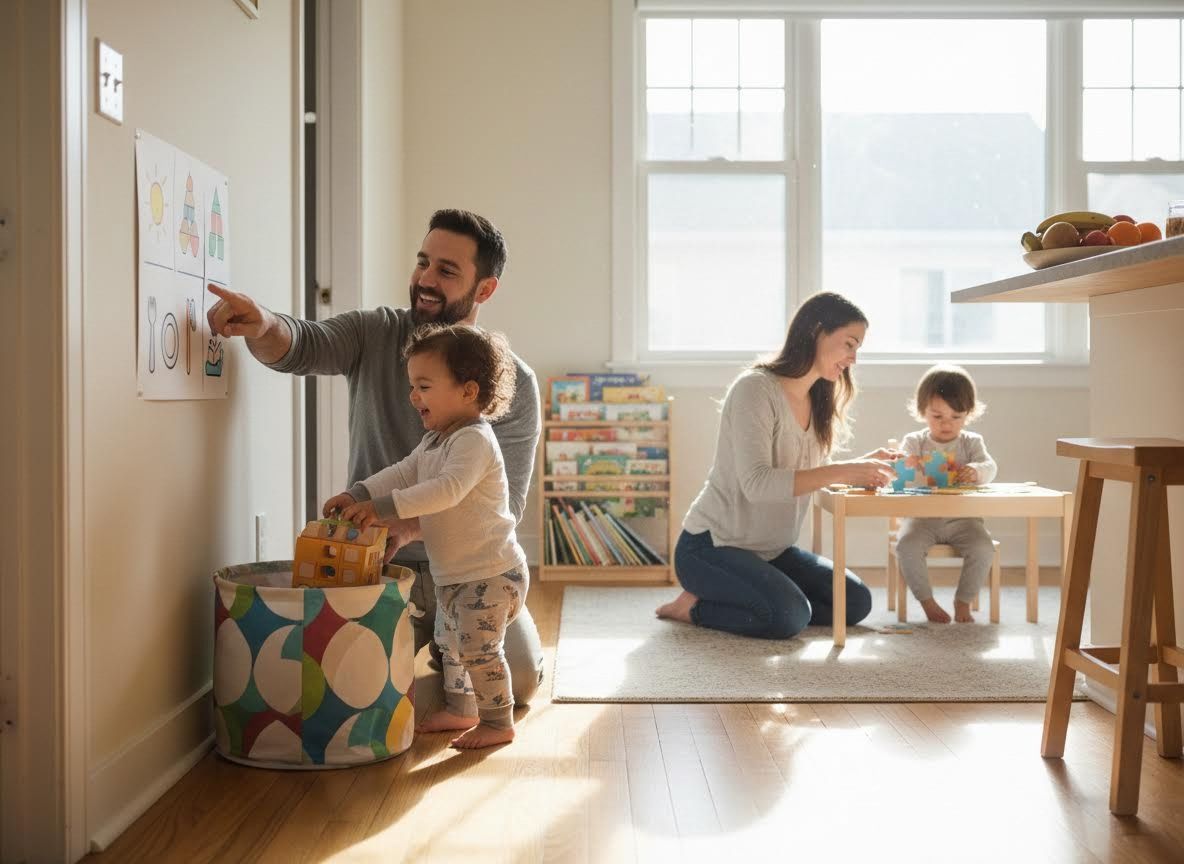
In the vibrant, often unpredictable world of a toddler, routine acts as a gentle anchor, providing a sense of security and predictability that is vital for healthy development. Establishing consistent daily patterns does more than just bring order to a busy household; it lays a profound foundation for a child's emotional stability, cognitive growth, and ability to navigate their world with confidence. At The Lion of Judah Early Learning Center, we understand that nurturing environments, rich in thoughtful structure, are paramount to empowering young minds to flourish and discover their full potential from the earliest stages of life.
The Foundation of Security and Brain Development
For toddlers, the world is a continuous stream of new experiences, which can sometimes feel overwhelming. A well-established routine offers a predictable sequence of events, creating a sense of safety and reducing anxiety. When children know what to expect next, their developing brains are free to focus on exploration, learning, and skill acquisition rather than constantly processing uncertainty. This predictability supports the development of self-regulation and emotional resilience, crucial building blocks for higher-order thinking and problem-solving. Consistent patterns around sleep, meals, and play directly impact neurodevelopment, promoting better sleep quality, healthier eating habits, and enhanced concentration during waking hours, all of which are essential for optimal cognitive function and growth.
Cultivating Independence and Kindergarten Readiness
Routines are not merely about imposing structure; they are powerful tools for fostering independence and self-efficacy. When toddlers consistently engage in activities like tidying up toys, washing hands before meals, or following a bedtime sequence, they internalize these steps and begin to manage them with less parental guidance. This active participation cultivates a sense of responsibility and achievement, boosting their confidence and preparing them for the structured environment of a classroom. Furthermore, the regular practice of transitions within a routine helps children adapt to new activities and settings more smoothly, a key skill for kindergarten readiness. By consistently reinforcing principles of order and purpose, routines also instill valuable character traits such as patience, cooperation, and respect for shared spaces and schedules.
Replicating Structure at Home: Practical Steps
Bringing the power of routine into your home doesn't require rigid adherence but rather thoughtful consistency. Start by identifying a few key anchor points in your day, such as wake-up time, mealtimes, and bedtime, and try to keep these consistent daily. Within these anchors, create a flexible sequence of activities. For instance, a morning routine might include breakfast, getting dressed, and then 15-20 minutes of "discovery play" where children can engage with blocks, simple puzzles, or explore nature in the backyard, subtly integrating early STEM concepts. Visual schedules with pictures can be incredibly helpful for toddlers to understand the day's flow. Remember to involve your child in age-appropriate ways, like choosing their pajamas or helping set the table, giving them a sense of ownership over their day while reinforcing family values.
The consistent rhythm of a well-designed routine provides young children with a profound sense of peace and competence, nurturing their growth across all developmental domains. By thoughtfully integrating structure into their daily lives, we empower them with the security and skills necessary to navigate their world with confidence and curiosity. We invite you to learn more about how The Lion of Judah Early Learning Center supports each child's journey with purpose-driven education by exploring our programs and resources available on our website.